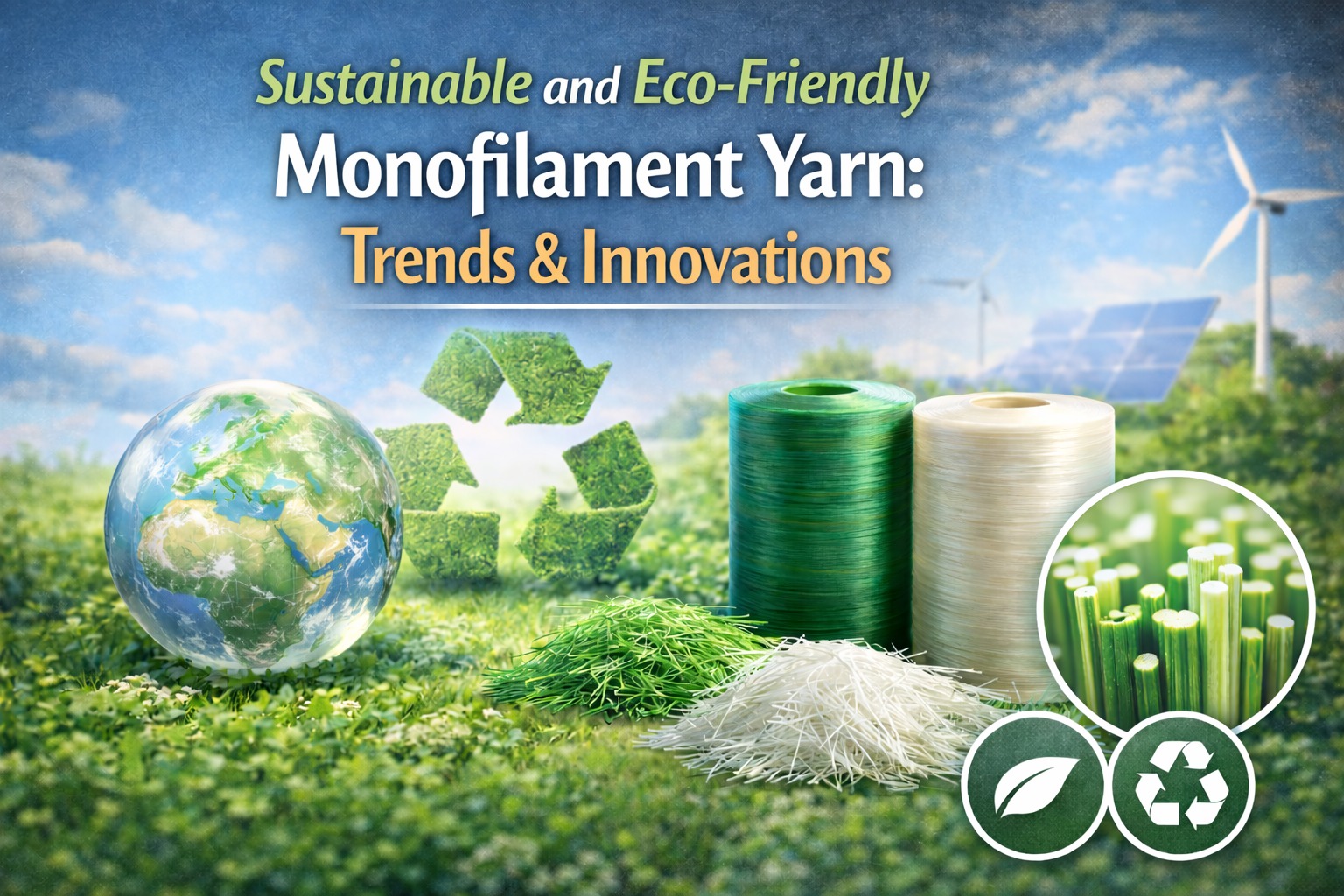
The world is moving toward sustainability and the monofilament yarn and fiber industry is no exception. Manufacturers, brands, and buyers across every sector are now asking a very simple question: can we make this better for the planet?
When it comes to monofilament yarn, the answer is a clear and encouraging yes.
From biodegradable materials to recycled polymers, the monofilament yarn space is seeing some genuinely exciting changes. Let’s break down the key sustainability trends shaping the industry today and what they mean for manufacturers and buyers alike.
Why Does Sustainability Matter in Monofilament Yarn?
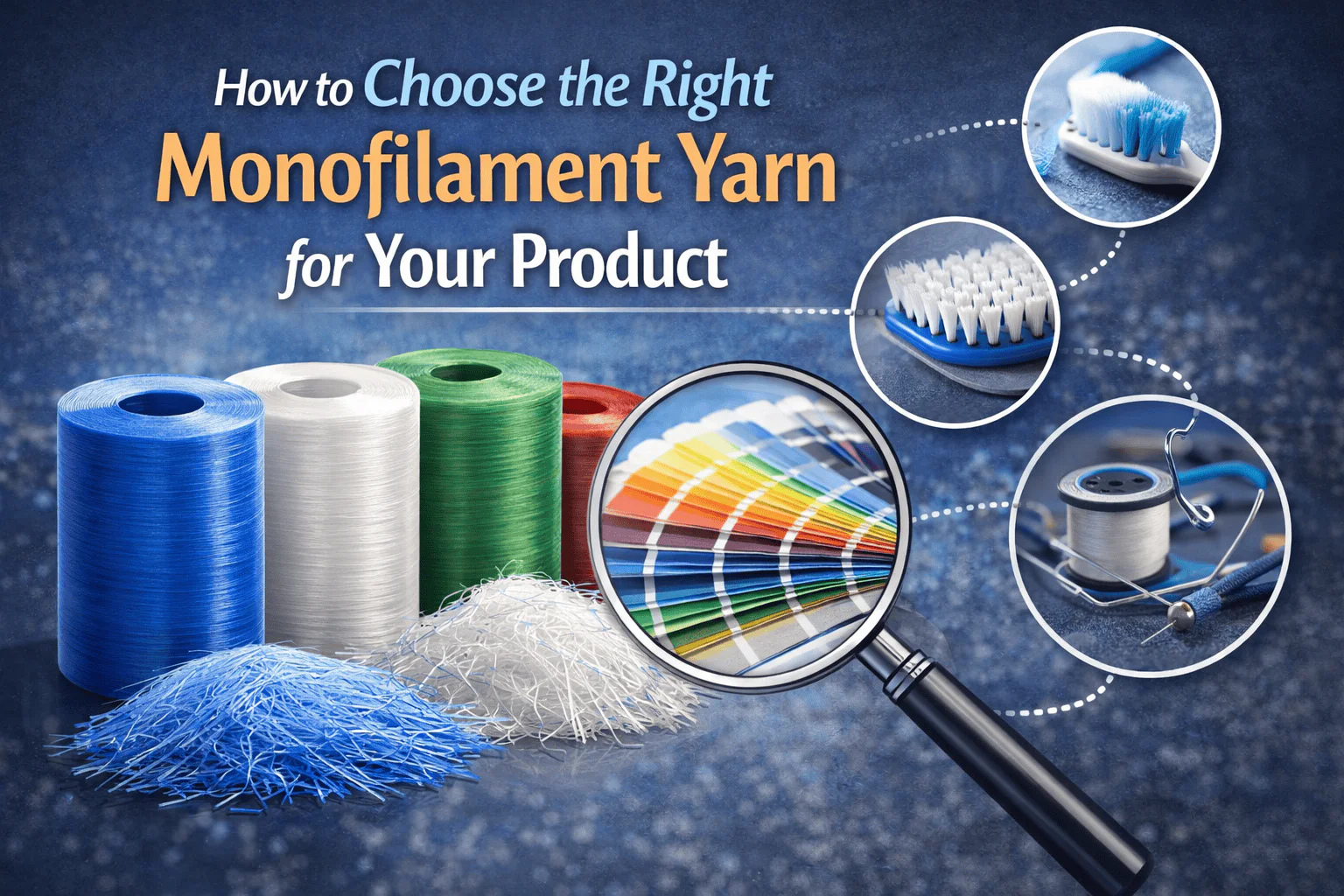
Monofilament yarn is a single, continuous strand of synthetic fiber typically made from nylon, polyester, polypropylene, or polyethylene. It is used across a wide range of products including toothbrush bristles, industrial brushes, fishing lines, technical textiles, and more.
For decades, the focus in monofilament yarn manufacturing was purely on performance strength, flexibility, chemical resistance, and durability. These remain critical. But today, there is growing pressure from global markets, regulatory bodies, and consumers to make these high performance materials in a more responsible way.
Sustainability in monofilament yarn is not just about feeling good it directly impacts supply chain decisions, export opportunities, and long term business viability.
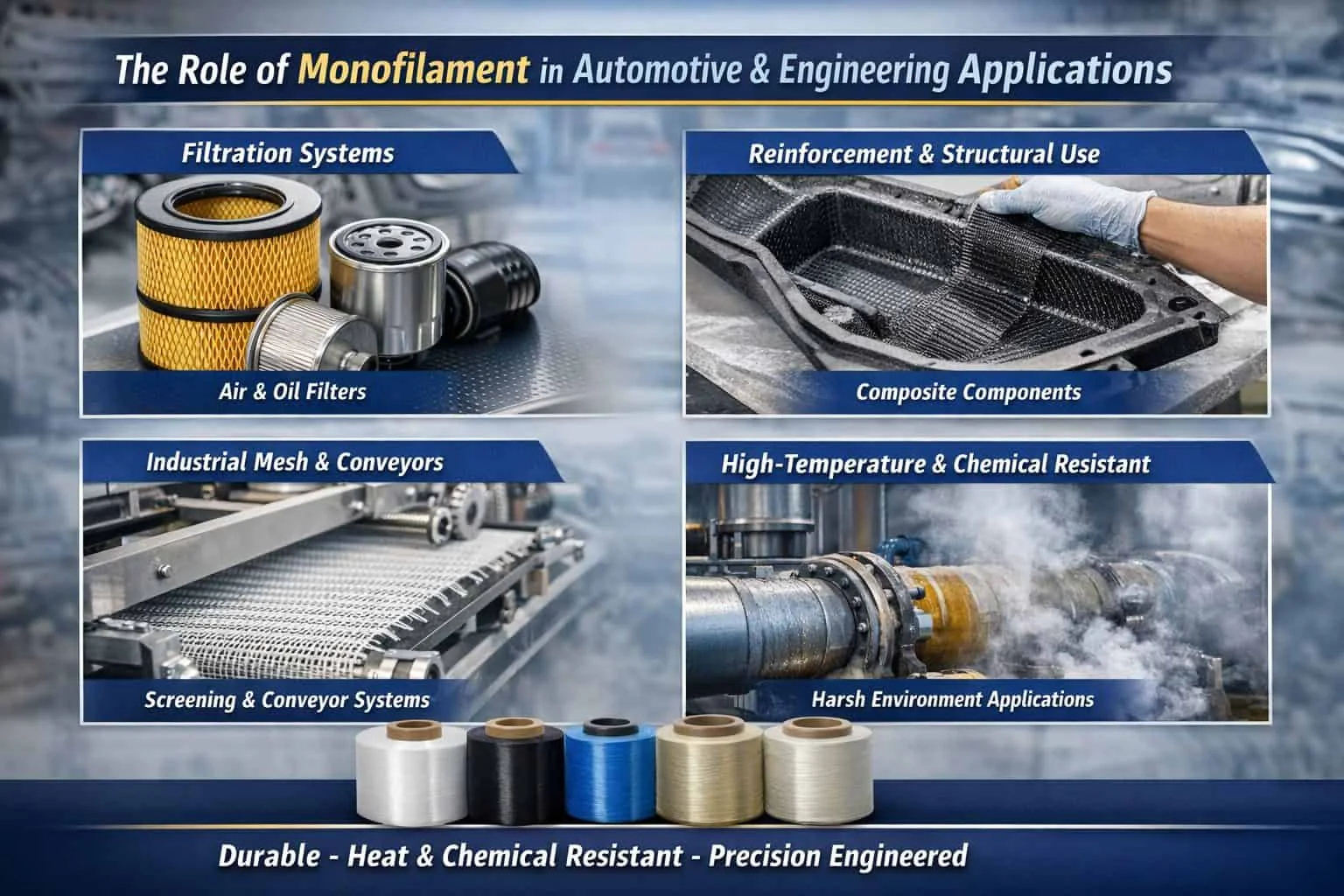
To understand how monofilament supports demanding technical sectors, you can also explore the role of monofilament in automotive and engineering applications, where durability, precision, and reliability are critical.
Key Sustainability Trends in Monofilament Yarn Manufacturing
Rise of PLA (Polylactic Acid) Monofilament Yarn
One of the most significant shifts happening right now is the growing adoption of PLA based monofilament yarn. PLA is derived from renewable plant sources like corn starch or sugarcane, making it a bio based alternative to petroleum derived polymers.
PLA yarn monofilament is fully compostable under industrial composting conditions, which makes it an attractive option for single use or short lifecycle applications from packaging nets to agricultural textiles.
Recycled Polymers Entering the Monofilament Space
Recycled PET (rPET) is now being used to manufacture monofilament yarn, especially for polyester based applications. By converting post consumer plastic bottles and waste material into high quality fiber, manufacturers can significantly reduce their dependence on virgin raw materials.
These sustainable materials are increasingly being used in sectors where monofilament yarn is ideal for industrial usage, such as filtration systems, industrial brushes, and technical textiles.
Reduction in Process Waste and Energy Use
Sustainable manufacturing is not just about the raw material. Forward thinking monofilament yarn producers are also looking at how they make the product not just what they make it from.
This includes investments in energy efficient extrusion machinery, closed loop water recycling in manufacturing, reducing material waste during spinning and drawing, and switching to renewable energy sources in production facilities.
Collectively, these changes reduce the carbon footprint of every kilogram of monofilament yarn produced and that number increasingly shows up in Environmental Product Declarations (EPDs) that buyers are starting to request.
Demand for Eco-Friendly Bristle Materials
The brush and oral care industries are under particular scrutiny. Consumers are increasingly aware that most toothbrush bristles are made from non-recyclable nylon. This has opened the door for bio-based bristle alternatives in household and oral care brushes.
Manufacturers producing monofilament bristles for brushes are now exploring bamboo filled nylon composites, bio nylon from castor oil, and partially bio based polyester blends as more sustainable options that still meet the required hygiene, stiffness, and durability standards.
Innovations Driving Eco-Friendly Monofilament Yarn Forward
Beyond trends, there are specific technical innovations worth watching
- Biocomponent Monofilament Yarn
Biocomponent monofilament yarn combines two polymers in a single fiber creating structures where one component may be bio based while the other provides the mechanical strength. This gives manufacturers the best of both worlds performance and sustainability within a single filament.
- Functional Eco Monofilaments
Sustainability does not mean compromising on function. New generation eco monofilament yarn is being engineered with built-in UV resistance, moisture management, and antimicrobial properties all while using more sustainable base polymers. This is particularly relevant for technical textile applications.
- Thinner Denier and Less Material
Advances in precision extrusion technology are allowing manufacturers to produce finer denier monofilament yarn without losing strength. Thinner filaments mean less polymer per unit length, which directly translates to lower material consumption and a lighter footprint per finished product.
What This Means for Buyers and Manufacturers
If you are a manufacturer sourcing monofilament yarn for your products, or a brand looking to improve your sustainability credentials, this is the right time to ask your supplier some important questions:
– What percentage of your raw material is recycled or bio-based?
– Which environmental certifications do you hold?
– Can you provide an alternative to standard petroleum based
monofilament?
– How is your manufacturing process reducing energy and water use?
Frequently Asked Questions(FAQ)
What makes monofilament yarn eco-friendly?
Eco friendly monofilament yarn is made using bio based materials and recycled polymers.
Can recycled monofilament meet quality standards?
Yes . rPET can be processed into monofilament yarn that meets the perfect quality standards.
Which industries are adopting eco-friendly yarn the fastest?
The oral care and household brushes are seeing strong demand.
Does eco-friendly monofilament yarn cost more?
Bio-based monofilament yarn is slightly premium compared to petroleum variants. But the price gap is narrowing.
Conclusion
Sustainability in monofilament yarn manufacturing is not a passing trend. It is a fundamental shift in how materials are made, certified, and sold driven by real market pressure and genuine innovation.
The good news is that eco-friendly monofilament yarn no longer means a compromise on performance. Today’s sustainable solutions are engineered to meet the same high standards that industries have always demanded, while reducing the environmental impact along the way.
If you would like to explore sustainable monofilament yarn options for your specific application, reach out to the Shanthi Industries team. We are happy to discuss your requirements and guide you toward the right solution.
About Shanthi Industries
Shanthi Industries is a trusted monofilament manufacturer, supplying high-quality, customizable monofilament solutions for brush, broom, and cleaning tool manufacturers.
Contact Shanthi Industries today for custom monofilament solutions.
If you’re trying to figure out which type of monofilament yarn fits your product, you can always reach out to Shanthi Industries. We’ll help you sort through the options and get the right match.
Contact us: +91 99022 98755
Email id: info@shanthiindustries.