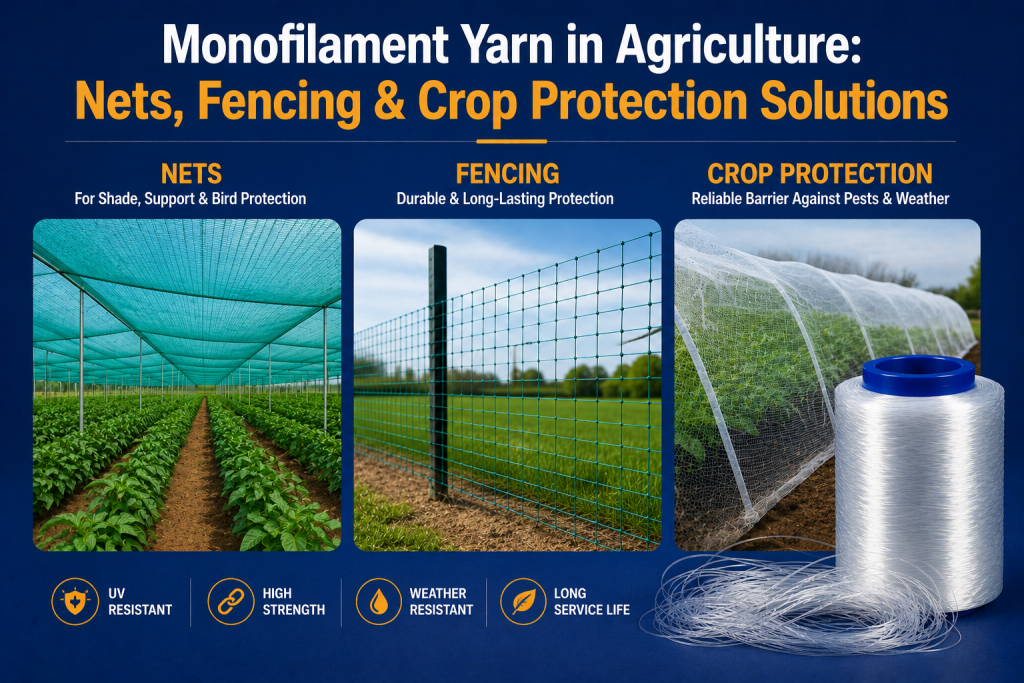
Modern agriculture depends heavily on durable and efficient materials that can withstand changing weather conditions while protecting crops and improving productivity. One such innovation that has become essential in farming is monofilament yarn in agriculture. From shade nets and fencing systems to crop protection covers and anti-bird nets, monofilament yarn plays a critical role in ensuring better agricultural output and long-term sustainability.
Farmers today require materials that are lightweight, strong, weather-resistant, and cost-effective. Monofilament yarn perfectly meets these requirements, making it one of the most widely used materials in modern agricultural applications. Its flexibility and durability allow it to perform effectively in demanding farming environments while reducing maintenance costs and improving crop safety.
What is Monofilament Yarn in Agriculture?
Monofilament yarn in agriculture refers to a single continuous synthetic filament used to manufacture agricultural products such as nets, ropes, fencing materials, and crop protection fabrics. These yarns are commonly produced using materials like polypropylene, polyethylene, or nylon because of their excellent strength, UV resistance, and durability.
Unlike multifilament yarns, monofilament yarn consists of a single strand, which provides higher stiffness and better dimensional stability. This makes it ideal for outdoor agricultural use where exposure to sunlight, rain, wind, and chemicals is common.
Agricultural monofilament yarn is engineered to maintain performance even under harsh environmental conditions. Its resistance to moisture, abrasion, and UV degradation makes it highly suitable for long-term farming applications.
Benefits of Monofilament Yarn in Agriculture
To understand why monofilament yarn performs exceptionally well in demanding outdoor environments, read more about Monofilament Yarn Improves Product Durability.
1. Durability and Long Service Life
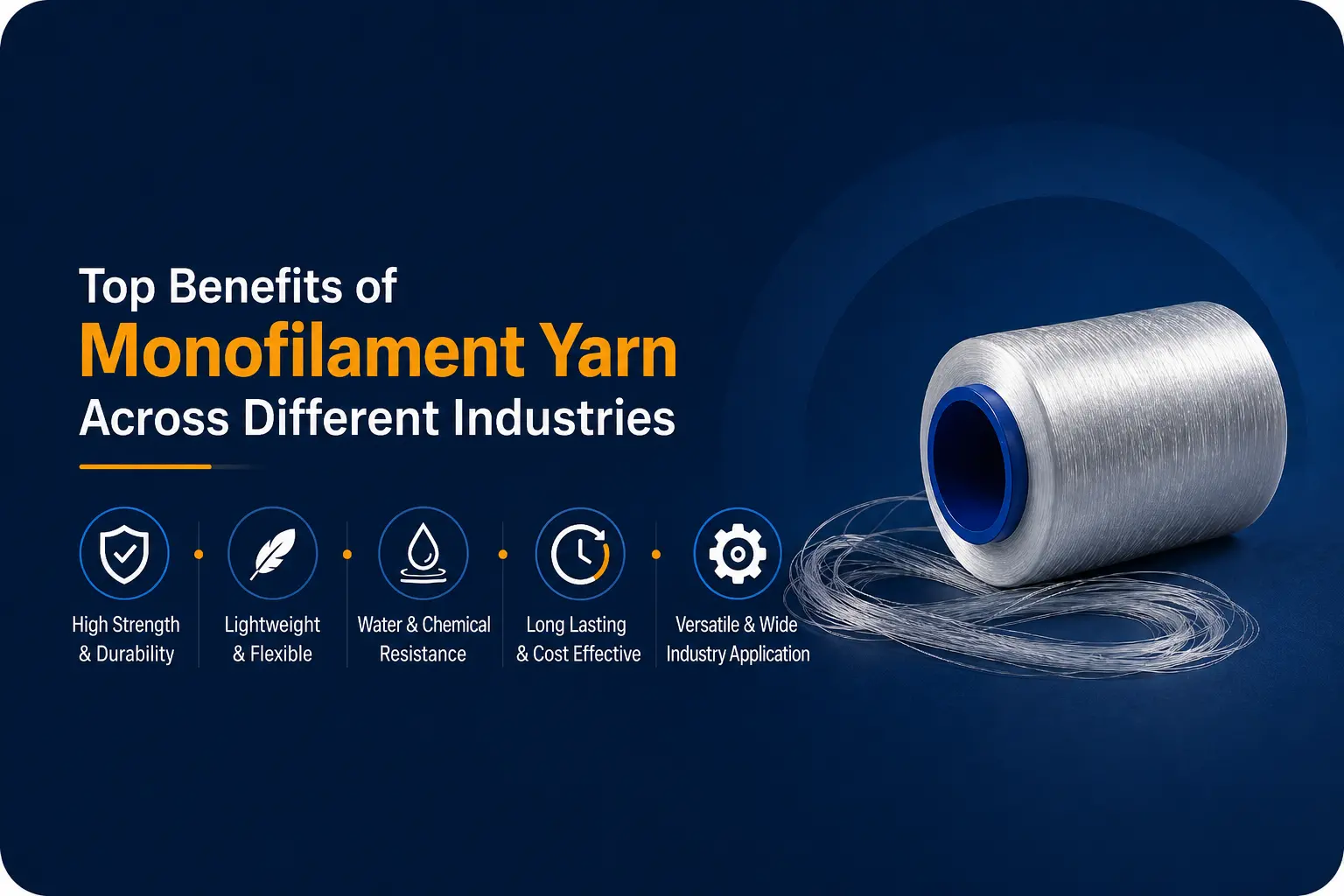
One of the biggest advantages of monofilament yarn in agriculture is its exceptional durability. Agricultural applications require materials that can survive continuous outdoor exposure, and monofilament yarn delivers reliable performance for years.
Its strong structure prevents tearing and stretching, ensuring that nets and fencing systems maintain their shape and effectiveness over time. This reduces replacement frequency and lowers operational costs for farmers.
2. UV and Weather Resistance
Agricultural products are constantly exposed to sunlight and varying weather conditions. Monofilament yarn is specially manufactured with UV stabilizers that protect the material from degradation caused by prolonged sun exposure.
This UV resistance helps agricultural nets and fencing systems retain their strength and flexibility, even in extreme climatic conditions.
3. Lightweight Yet Strong
Despite being lightweight, monofilament yarn offers impressive tensile strength. This combination makes installation easier while still providing reliable protection for crops and farming areas.
Farmers benefit from easy handling, transportation, and installation without compromising performance.
4. Resistance to Chemicals and Moisture
Agricultural environments often involve fertilizers, pesticides, and irrigation systems. Monofilament yarn resists chemical damage and moisture absorption, making it suitable for long-term agricultural use.
This resistance ensures that agricultural nets and covers remain functional even in humid or chemically exposed conditions.
Applications of Monofilament Yarn in Agriculture
1. Monofilament Yarn in Agriculture for Shade Nets
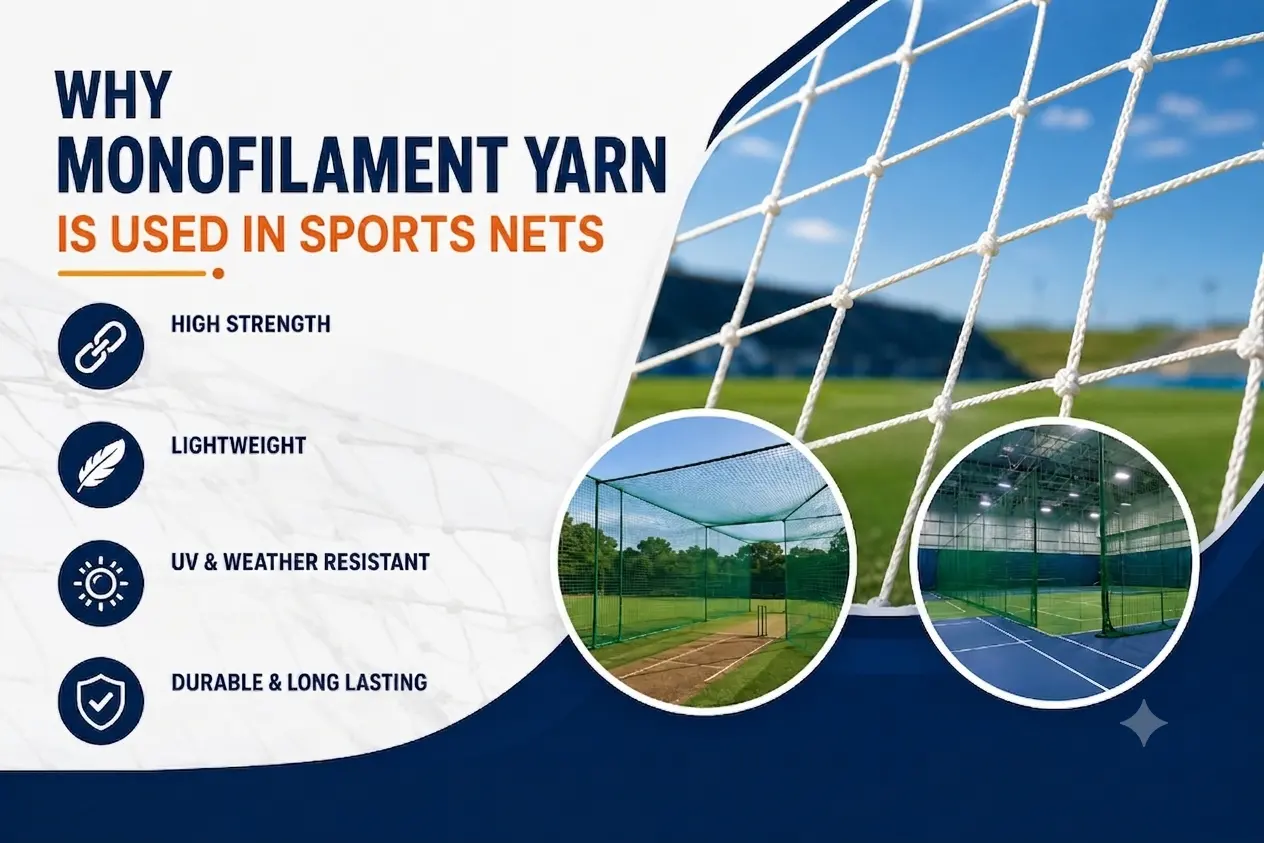
Shade nets are one of the most common uses of monofilament yarn in agriculture. These nets help regulate sunlight exposure, temperature, and humidity levels around crops.
By controlling environmental conditions, shade nets improve crop growth and protect sensitive plants from excessive heat and harmful UV rays. Monofilament yarn provides the strength and flexibility needed to manufacture durable shade nets that can withstand outdoor exposure for long periods.
Shade nets are widely used in:
- Greenhouses
- Nurseries
- Vegetable farming
- Floriculture
- Fruit cultivation
The use of monofilament yarn ensures that shade nets maintain their structural integrity while providing consistent protection.
2. Monofilament Yarn in Agriculture for Crop-Protection Nets
Crop protection is a major concern for farmers, especially when dealing with birds, insects, and pests. Monofilament yarn is extensively used to produce anti-bird nets and insect protection nets that prevent crop damage without harming wildlife.
These nets act as physical barriers, reducing the need for excessive pesticide use and promoting environmentally friendly farming practices.
Benefits of crop protection nets include:
- Reduced crop loss
- Improved yield quality
- Better pest management
- Sustainable agricultural practices
Because monofilament yarn is lightweight and durable, these protective nets can be installed easily and remain effective throughout multiple growing seasons.
3. Monofilament Yarn in Agriculture for Fencing Solutions
Fencing is essential for protecting farms from animals and unauthorized access. Monofilament yarn in agriculture is commonly used in agricultural fencing systems due to its high tensile strength and weather resistance.
Monofilament-based fencing materials provide the following:
- Strong perimeter protection
- Long-lasting durability
- Low maintenance requirements
- Resistance to environmental damage
These fencing systems are ideal for farms, plantations, poultry units, and livestock management.
4. Fishing and Aquaculture Applications
Apart from crop farming, monofilament yarn is also widely used in aquaculture and fishing-related agricultural activities. It is commonly used to manufacture fishing nets and protective enclosures for fish farming.
Its resistance to water and abrasion makes it highly suitable for aquatic environments.
Why Farmers Prefer Monofilament Yarn in Agriculture
1. Cost-Effective Farming Solution
Farmers continuously seek solutions that improve productivity while controlling operational expenses. Monofilament yarn offers excellent long-term value because of its durability and low maintenance requirements.
Although the initial investment may vary depending on the application, the extended lifespan of monofilament-based products makes them highly economical over time.
2. Improved Crop Yield
By protecting crops from harsh weather, pests, birds, and excessive sunlight, monofilament yarn-based agricultural products contribute directly to improved crop quality and higher yields.
Better crop protection means fewer losses and greater profitability for farmers.
3. Sustainable Agricultural Practices
Modern agriculture increasingly focuses on sustainability and reducing environmental impact. Monofilament yarn supports eco-friendly farming practices by enabling reusable crop protection systems and reducing dependence on harmful chemicals.
Its long service life also reduces material waste and replacement frequency.
Choosing the Right Monofilament Yarn in Agriculture
Selecting the correct yarn specification is critical for achieving the best agricultural performance. Learn more about selecting the ideal yarn for different industrial and commercial applications in Monofilament Yarn for Your Product.
Important considerations include:
- UV resistance
- Tensile strength
- Diameter and thickness
- Flexibility
- Chemical resistance
- Environmental exposure
Working with an experienced manufacturer ensures that the yarn specifications match the intended agricultural application.
Future of Monofilament Yarn in Agriculture
As agriculture continues to evolve with advanced farming technologies and sustainable practices, the demand for high-performance agricultural materials will continue to grow. Monofilament yarn is expected to play an even larger role in the future of farming due to its adaptability, durability, and efficiency.
Innovations in polymer technology and manufacturing processes are helping improve the strength, UV stability, and environmental performance of monofilament yarn products.
Advancements in manufacturing technology continue to improve the performance and consistency of agricultural yarn solutions. Explore how modern engineering enhances product quality in Precision Engineering on Monofilament .
Conclusion
The importance of monofilament yarn in agriculture continues to grow as farmers look for durable, efficient, and sustainable farming solutions. Whether used in shade nets, crop protection systems, fencing, or aquaculture applications, monofilament yarn provides exceptional performance in demanding agricultural environments.
Its strength, weather resistance, lightweight structure, and long service life make it an essential material for modern farming operations. By investing in high-quality monofilament yarn products, farmers can improve crop protection, enhance productivity, and reduce long-term operational costs.
Shanthi Industries offers reliable and high-performance monofilament yarn solutions tailored for agricultural applications, helping businesses and farmers achieve durability, efficiency, and long-lasting results in every farming environment.
FAQs About Monofilament Yarn in Agriculture
1. What is monofilament yarn in agriculture used for?
Monofilament yarn in agriculture is widely used for manufacturing shade nets, crop protection nets, fencing systems, anti-bird nets, fishing nets, greenhouse covers, and other agricultural protection products. Its durability and weather resistance make it ideal for outdoor farming applications.
2. Why is monofilament yarn preferred for agricultural nets?
Monofilament yarn is preferred because it offers high tensile strength, UV resistance, flexibility, and long-lasting performance. These properties help agricultural nets withstand harsh environmental conditions while providing effective crop protection and support.
3. How does monofilament yarn help improve crop protection?
Monofilament yarn-based nets act as protective barriers against birds, insects, pests, and excessive sunlight. This helps reduce crop damage, improve crop quality, and minimize the need for chemical pesticides, supporting more sustainable farming practices.
4. Is monofilament yarn resistant to sunlight and weather conditions?
Yes, high-quality monofilament yarn in agriculture is manufactured with UV stabilizers and weather-resistant properties. This ensures that the yarn maintains its strength and durability even after prolonged exposure to sunlight, rain, and changing temperatures.
5. How do I choose the right monofilament yarn for agricultural applications?
The right monofilament yarn depends on factors such as UV resistance, thickness, tensile strength, flexibility, and the intended agricultural use. Choosing a reliable manufacturer like Shanthi Industries ensures high-quality yarn solutions designed for long-term agricultural performance.
CTA
You can always reach out to Shanthi Industries. We’ll help you sort through the options and get the right match.
Contact us: +91 99022 98755
Email id: info@shanthiindustries.com