When it comes to outfitting a stadium, sports club, or backyard court, the quality of your netting can make or break the playing experience. Among the many materials used to manufacture sports nets, monofilament yarn has emerged as a favorite for manufacturers and buyers alike. It’s strong, weather-resistant, and holds its shape even under constant use. In this blog, we’ll walk you through the various types of sports nets made using monofilament yarn, what makes this material special, and how to choose the right net for your specific sport or facility.
Whether you’re a facility manager, a sports academy owner, or simply someone setting up a home court, understanding the types of sports nets available will help you make an informed purchase that lasts for years.
What Is Monofilament Yarn, and Why Is It Used in Sports Nets?
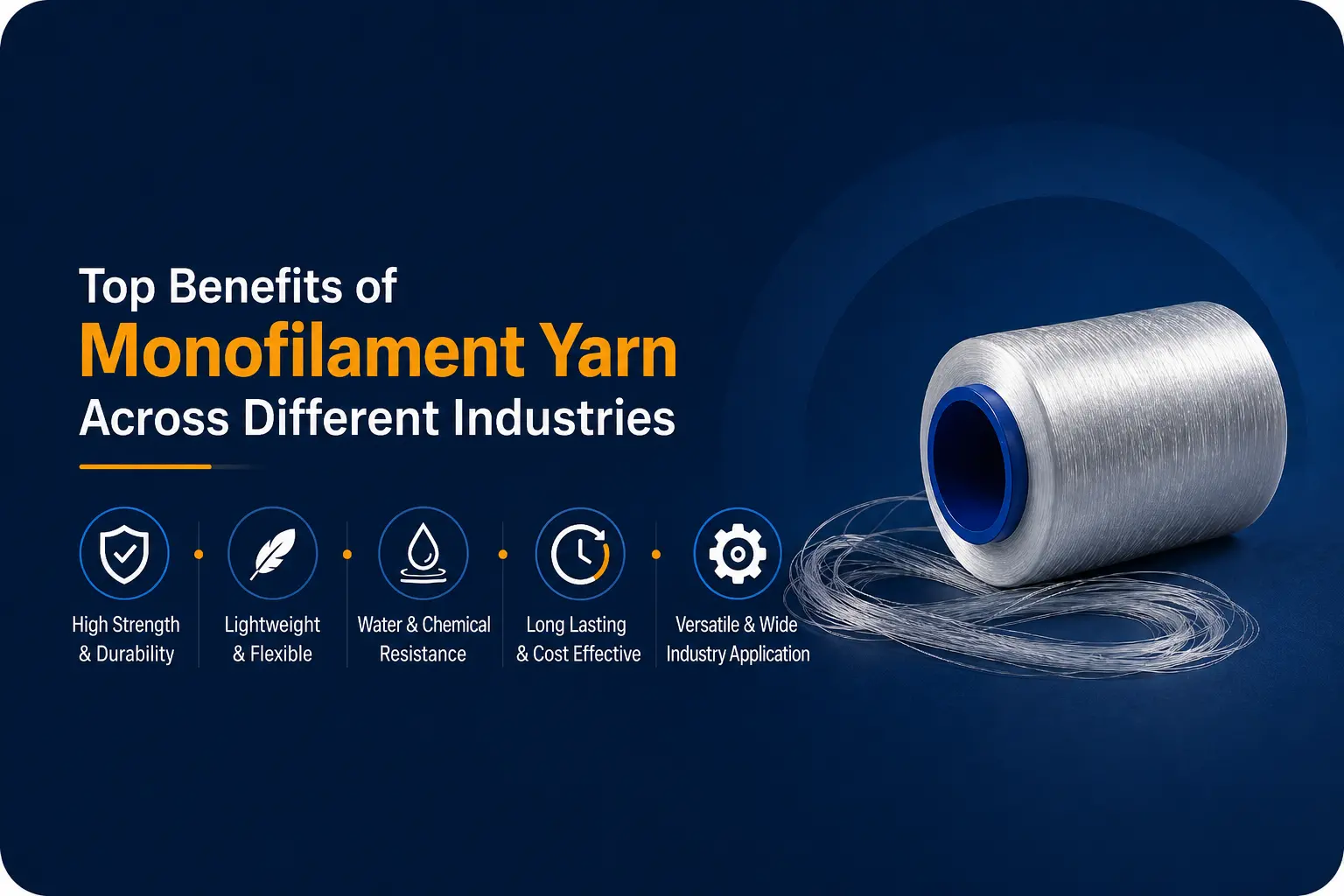
Before diving into the types of sports nets, it helps to understand the material itself. Monofilament yarn is a single, continuous strand of synthetic fiber, typically made from polyethylene or nylon. Unlike multifilament yarn, which is woven from several thinner threads twisted together, monofilament yarn is a solid, smooth strand that offers superior strength and consistency.
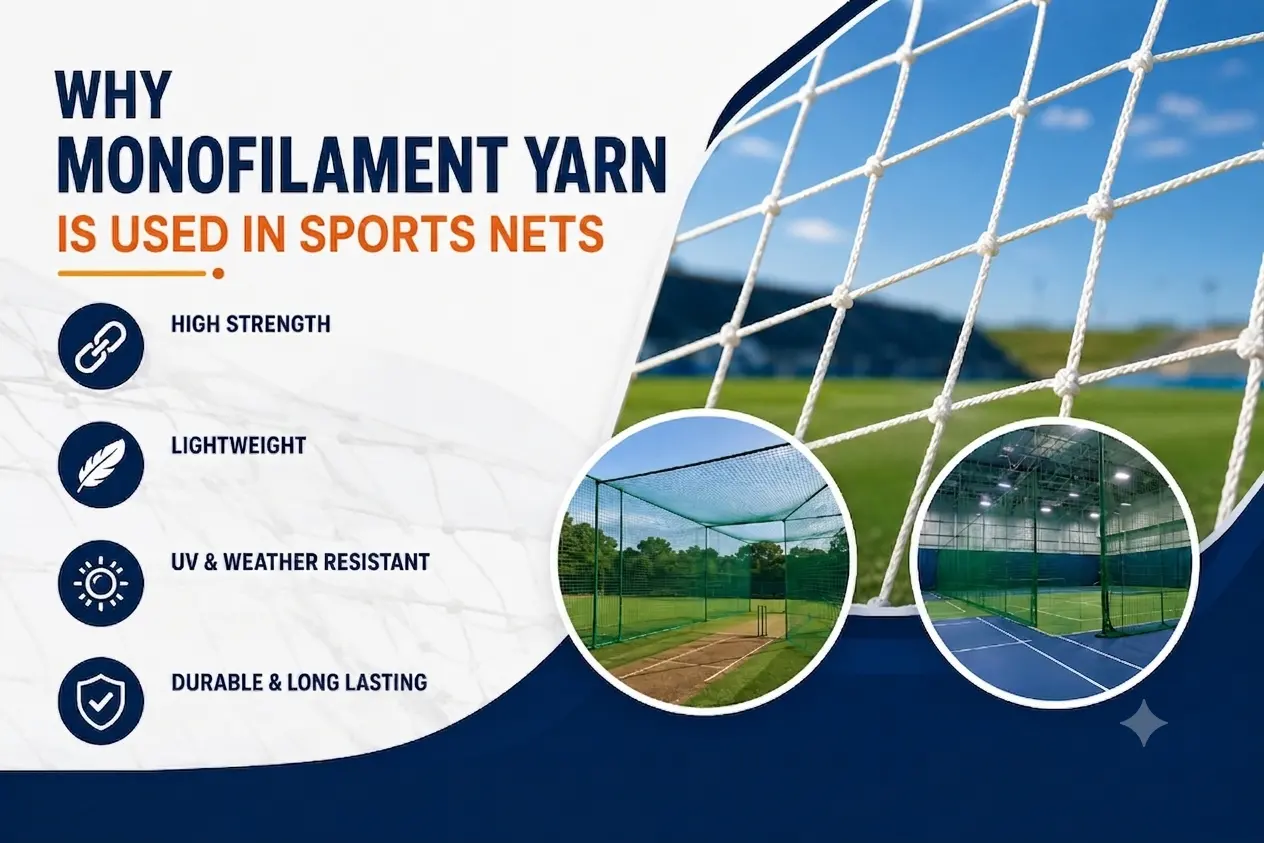
This construction gives monofilament netting several advantages:
- High tensile strength, making it resistant to tearing and stretching
- UV resistance, so it doesn’t degrade quickly under sunlight
- Water resistance, preventing rot, mildew, and fungal growth
- Low maintenance, since it doesn’t absorb moisture or dirt easily
- Long lifespan, even with heavy daily use in outdoor conditions
The combination of these properties explains why monofilament yarn is widely used for sports applications. Understanding the benefits of monofilament yarn can also help buyers evaluate why it is suitable for demanding netting environments.
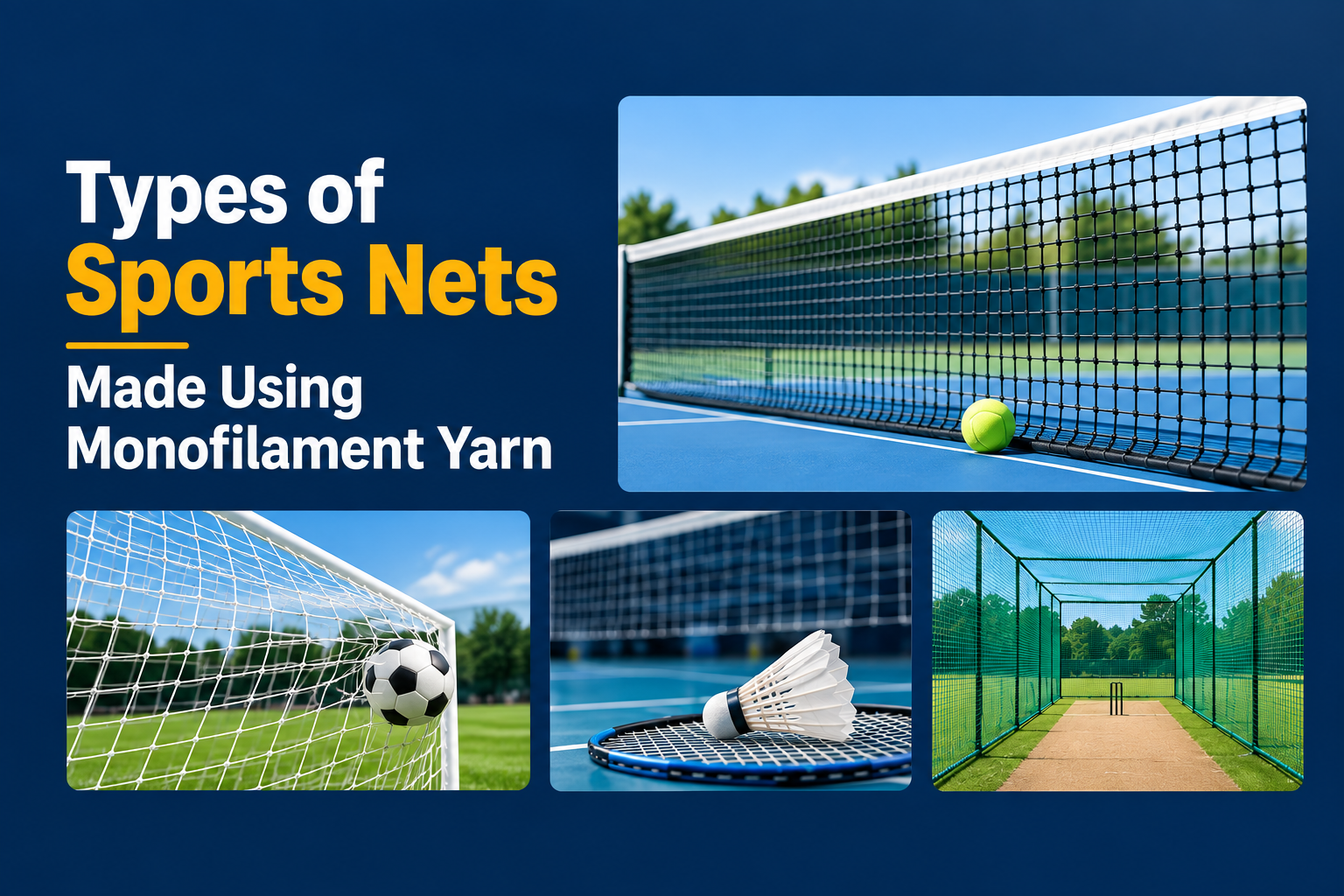
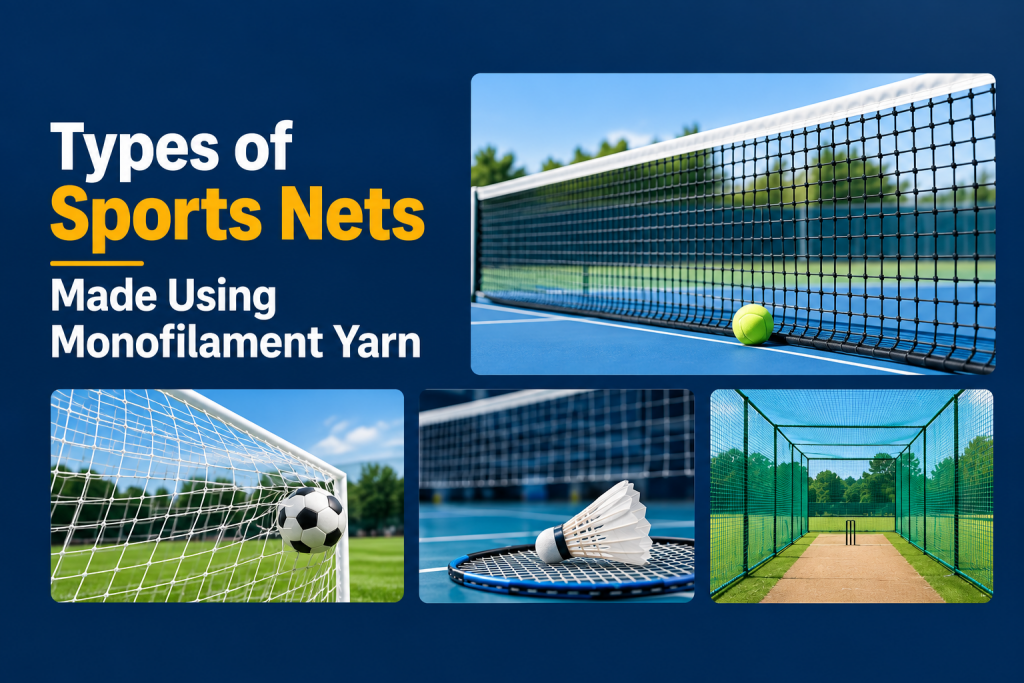
Types of Sports Nets Made Using Monofilament Yarn
Let’s explore the different types of sports nets you’ll commonly find made from this durable material.
1. Football and Soccer Nets
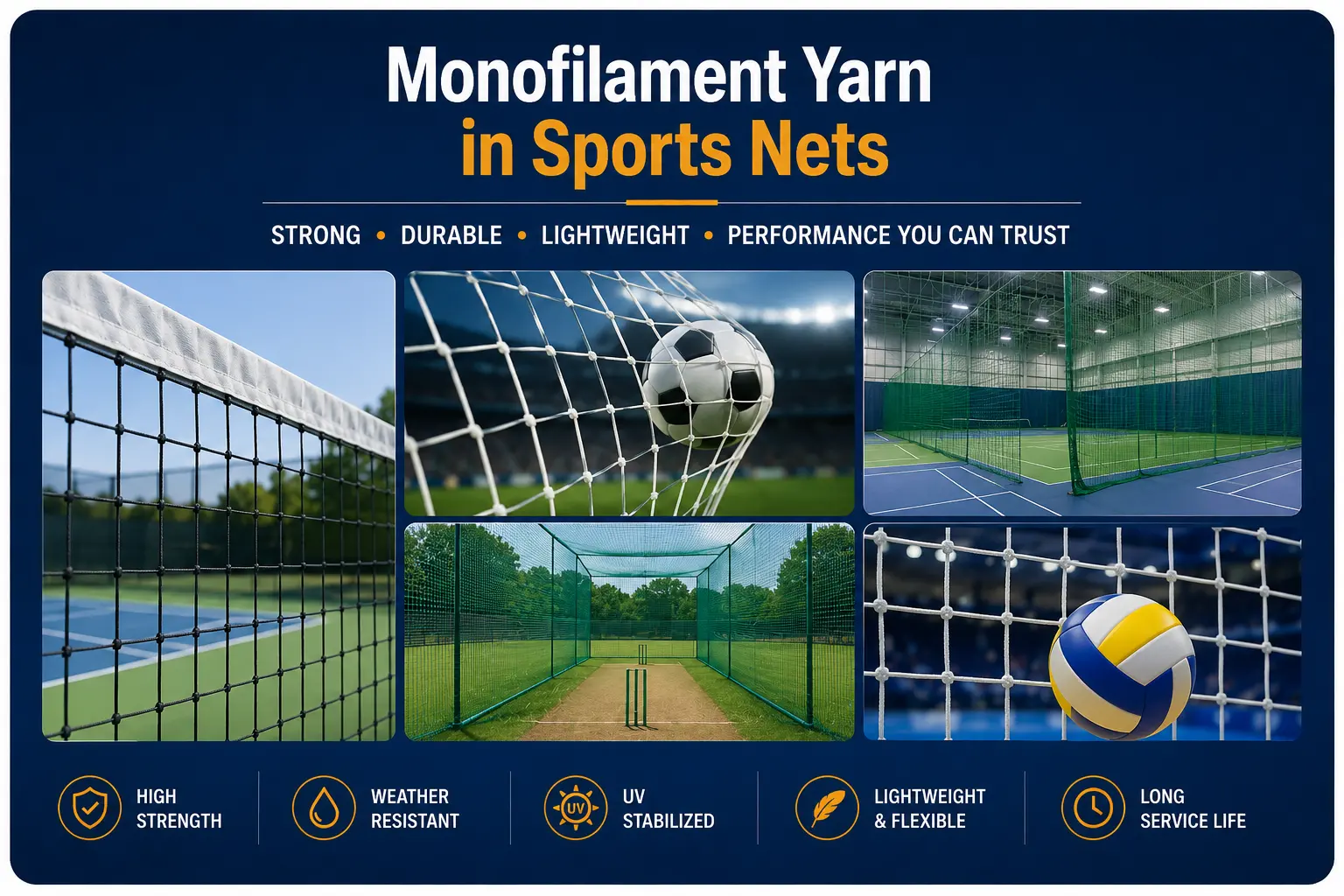
Football and soccer nets are among the most recognizable sports netting applications. They need to absorb repeated ball impacts while maintaining their overall shape. Heavy-duty monofilament yarn can be used to manufacture nets with the strength required for training grounds, stadiums, academies, and recreational facilities. Properly manufactured netting can help reduce stretching and maintain consistent performance during repeated use. For a broader understanding of how this material performs specifically in sports applications, monofilament yarn in sports nets provides useful insight into its role in sports net manufacturing.
2. Cricket Practice Nets
Cricket practice nets experience frequent impact from balls traveling at considerable speeds. As a result, the netting needs to combine strength, flexibility, and resistance to repeated impact. Monofilament yarn can be used to create cricket practice netting that is sufficiently durable for regular bowling and batting sessions. Depending on the installation, these nets can be used at cricket academies, schools, professional training facilities, and outdoor practice grounds. The yarn diameter and mesh configuration can be selected according to the expected level of use, helping manufacturers create netting suited to different training requirements.
3. Tennis Nets
Tennis nets need to maintain a specific height and tension while withstanding repeated contact with tennis balls. Consistency is particularly important because the net forms an essential part of the playing surface. Monofilament yarn allows manufacturers to produce structured netting with uniform openings and reliable strength. For outdoor tennis courts, resistance to sunlight and moisture is also an important consideration when selecting the yarn. A well-designed tennis net should maintain its appearance and structural integrity throughout regular use without excessive sagging or stretching.
4. Volleyball and Badminton Nets
Volleyball and badminton require lighter netting compared with some heavy-duty sports applications, but the material still needs to offer sufficient strength and stability. Monofilament yarn can be used to manufacture lightweight nets that are easy to install, remove, and transport. The yarn can also provide the consistency needed to maintain uniform mesh openings across the net. For temporary courts, schools, clubs, and recreational facilities, selecting the appropriate yarn specification can help balance durability with ease of handling.
5. Golf Practice and Barrier Nets
Golf practice nets are exposed to repeated high-speed impacts from golf balls, making durability an important consideration. Driving ranges, golf academies, commercial facilities, and backyard practice areas may require netting with different levels of strength depending on the installation. Monofilament yarn can be manufactured into dense and reinforced netting designed to handle repeated impacts. Border reinforcement and suitable mesh construction can further improve the overall performance of the finished net. For high-frequency training environments, choosing the right yarn specification is particularly important because the net must withstand repeated stress without unnecessary stretching or damage.
6. Basketball Nets
Basketball nets made from monofilament yarn are valued for their crisp “swish” sound and their ability to resist fraying from constant ball contact. These nets maintain their form and color even after prolonged exposure to sun and rain, which is essential for outdoor courts.
7. Multi-Purpose Sports Ground Safety Nets
Not all sports netting is designed specifically for a playing surface. Barriers and safety nets are also widely used around stadiums, sports complexes, cricket grounds, football fields, and practice areas. These nets help prevent stray balls from reaching spectators, nearby property, walkways, or other playing areas. Because they may cover large spaces and experience repeated impacts, manufacturers often require yarn with dependable tensile strength and weather resistance. This is another example of why monofilament yarn in sports nets can support applications beyond conventional goal or court nets.
Key Benefits of Choosing Monofilament Sports Nets
No matter which of the types of sports nets you need, monofilament yarn offers a consistent set of advantages:
- Durability: Withstands years of outdoor exposure without weakening
- Weather resistance: Performs well in rain, heat, and humidity
- Shape retention: Doesn’t stretch or sag over time
- Cost-effectiveness: Long lifespan reduces the need for frequent replacements
- Aesthetic appeal: Maintains a clean, uniform look season after season
These benefits make monofilament netting a smart investment for schools, sports academies, clubs, and stadiums looking to minimize maintenance costs while maximizing performance. The benefits of using monofilament yarn in your product also highlight how these material properties can benefit finished products.
How to Choose the Right Sports Net for Your Needs
With so many types of sports nets on the market, selecting the right one depends on a few key factors:
- Sport type: Each sport has specific mesh size and tension requirements
- Usage frequency: Heavy daily use calls for thicker, reinforced monofilament yarn
- Indoor vs outdoor: Outdoor nets need higher UV and water resistance
- Budget: While monofilament nets cost slightly more upfront, their longevity offers better long-term value
- Manufacturer reputation: Always choose a trusted supplier known for quality raw materials and consistent weaving standards.
For manufacturers selecting yarn according to their finished product requirements, how to choose the right monofilament yarn for your product is an important consideration.
Conclusion
From football fields to badminton courts, the different types of sports nets made using monofilament yarn continue to prove why this material is the industry standard for strength, durability, and performance. Investing in high-quality monofilament netting means fewer replacements, lower maintenance costs, and a better overall experience for players and spectators alike.
If you’re looking to upgrade your sports facility with durable, weather-resistant netting, understanding these types of sports nets is the first step toward making a smart, long-term investment.
As synthetic fiber & monofilament experts, Shanthi Industries focuses on delivering quality yarn solutions designed to meet the performance and durability requirements of diverse applications.
Frequently Asked Questions (FAQs)
1. What makes monofilament yarn better than multifilament yarn for sports nets?
Monofilament yarn is a single solid strand, which makes it stronger, smoother, and more resistant to moisture and UV damage compared to multifilament yarn, which is woven from multiple thinner threads that can fray or absorb water over time.
2. Which types of sports nets are most commonly made using monofilament yarn?
Football, cricket, tennis, volleyball, badminton, golf, and basketball nets are among the most common types of sports nets manufactured using monofilament yarn, along with multi-purpose safety and barrier nets.
3. Are monofilament sports nets suitable for outdoor use?
Yes, monofilament sports nets are highly suitable for outdoor use because they offer excellent UV resistance, water resistance, and shape retention, even under prolonged sun and rain exposure.
4. How long do monofilament sports nets typically last?
With proper installation and reasonable care, monofilament sports nets can last several years, even under heavy daily use, thanks to their high tensile strength and resistance to wear and tear.
5. Is monofilament netting more expensive than other net materials?
While monofilament netting may have a slightly higher upfront cost, its durability and low maintenance requirements make it more cost-effective in the long run compared to nets made from weaker or less resistant materials.