Industrial applications often require materials that can withstand demanding operating conditions while maintaining consistent performance over time. In industries such as filtration, technical textiles, industrial brushes, and specialized manufacturing, conventional polymer filaments may not always provide the required combination of chemical resistance, temperature stability, mechanical strength, and durability.
This is where ETFE monofilament becomes an important engineering material. Made from ethylene tetrafluoroethylene (ETFE), this high-performance fluoropolymer filament is designed for applications where resistance to aggressive chemicals, heat, moisture, and environmental conditions is essential.
But what exactly is ETFE monofilament, how is it manufactured, and where is it used? This guide explains its properties, benefits, applications, and key factors to consider when selecting ETFE monofilament for industrial requirements.
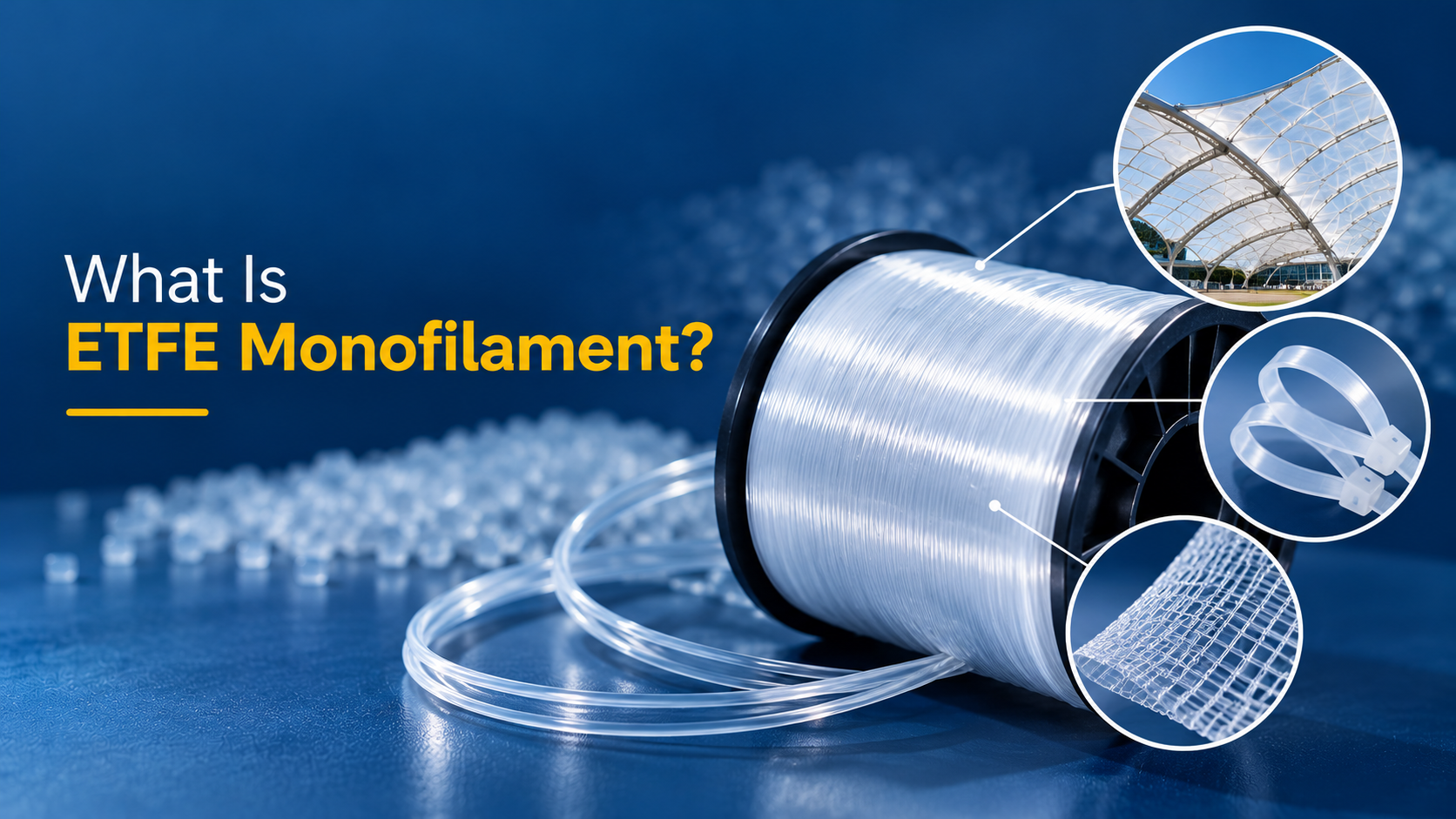
What Is ETFE Monofilament?
ETFE monofilament is a single continuous filament produced from ethylene tetrafluoroethylene, a fluoropolymer known for its excellent chemical and environmental resistance. Unlike multifilament yarns, which consist of multiple fine filaments twisted or combined together, a monofilament is manufactured as one continuous strand with a defined diameter. This makes it particularly useful in applications where dimensional consistency, strength, surface characteristics, and resistance to harsh environments are important. ETFE is often selected when an application demands more specialized performance than conventional materials such as nylon, polyester, or polypropylene can provide.
For a broader understanding of how precision manufacturing influences filament performance, read more about the impact of precision engineering on monofilament.
Key Characteristics of ETFE Monofilament
The performance of ETFE monofilament comes from the inherent properties of the ETFE polymer. Depending on the grade and manufacturing specifications, important characteristics include:
- Excellent resistance to many chemicals
- High temperature resistance
- Low moisture absorption
- Good weather and UV resistance
- Strong electrical insulation properties
- Good abrasion resistance
- Low friction characteristics
- Excellent dimensional stability
- Long-term environmental durability
These characteristics make ETFE monofilament suitable for demanding industrial environments where reliability and material stability are critical.
How Is ETFE Monofilament Manufactured?
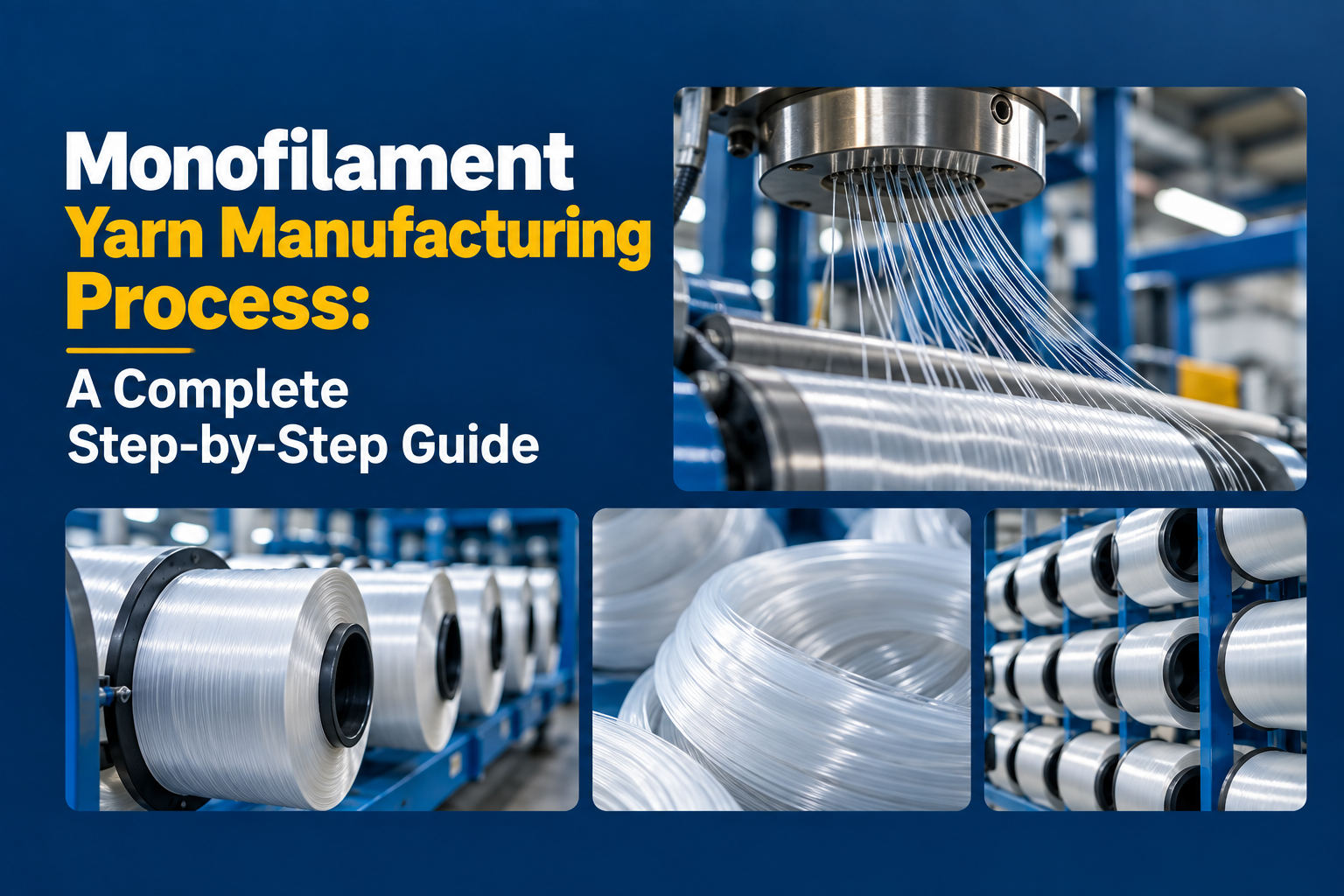
The production of ETFE monofilament involves controlled polymer processing and precision extrusion technology. The polymer is processed at controlled temperatures and extruded through a specially designed die to create a continuous filament with the required diameter.
After extrusion, the filament may undergo controlled cooling, drawing, heat treatment, and other finishing processes. These steps help establish the desired mechanical properties, dimensional stability, surface characteristics, and overall performance.
Why Precision Manufacturing Matters
For industrial applications, filament diameter and consistency can directly influence product performance. Even small variations can affect filtration efficiency, weaving characteristics, brush performance, or the mechanical behavior of a finished component. A reliable ETFE monofilament manufacturer therefore needs to maintain tight process controls throughout extrusion and subsequent processing. Factors such as polymer quality, extrusion temperature, drawing ratio, cooling conditions, and final diameter control can influence the finished filament.
Understanding the broader role of synthetic fibers can also help manufacturers evaluate how different engineered fiber materials address specific performance requirements.
Important Properties of ETFE Monofilament
Understanding the material properties of ETFE monofilament helps manufacturers determine whether it is appropriate for a particular application.
1. Chemical Resistance
ETFE has strong resistance to many aggressive chemicals, making ETFE monofilament suitable for industrial environments involving chemical exposure.
This property can be particularly useful in filtration systems, chemical processing applications, and specialized technical textiles where the filament may come into contact with corrosive or reactive substances.
2. Temperature Resistance
Industrial components may operate under elevated temperatures for extended periods. ETFE offers good thermal stability compared with many conventional polymers.
The actual temperature capability depends on the specific grade, operating conditions, exposure duration, and application design. Therefore, manufacturers should evaluate the required operating temperature before selecting a filament specification.
3. Low Moisture Absorption
Moisture can affect the dimensions and mechanical performance of certain polymer materials. ETFE has very low moisture absorption, which helps maintain consistent performance in humid or wet environments.
This makes it useful for applications where exposure to water or atmospheric moisture is unavoidable.
4. UV and Weather Resistance
Outdoor industrial products can experience prolonged exposure to sunlight, temperature fluctuations, rain, and other environmental factors. ETFE provides good resistance to weathering and UV exposure, supporting longer service life in suitable outdoor applications.
Industrial Applications of ETFE Monofilament
The combination of chemical resistance, thermal stability, low moisture absorption, and durability makes ETFE monofilament useful across several specialized industries.
1. ETFE Monofilament for Industrial Filtration
Filtration is one of the important application areas for high-performance monofilaments. ETFE's chemical and temperature resistance can make it suitable for filtration environments where conventional polymer filaments may not provide the required resistance. It can be used in specialized filter fabrics, meshes, screens, and filtration components depending on the process requirements.
For a broader overview of why monofilament materials are suitable for demanding industrial environments, explore this guide on monofilament for industrial usage.
2. ETFE Monofilament for Technical Textiles
Technical textiles require materials engineered for specific functional requirements rather than simply appearance or comfort.
ETFE monofilament can be incorporated into technical fabrics and mesh structures where chemical resistance, environmental durability, and dimensional stability are required.
3. ETFE Monofilament for Industrial Brushes
Industrial brushes are used for cleaning, surface treatment, material handling, and specialized manufacturing processes. Brush filament selection can significantly influence cleaning performance, durability, and resistance to operating conditions.
ETFE monofilament may be considered for specialized industrial brush applications where resistance to chemicals, temperature, or environmental exposure is important.
4. ETFE Monofilament for Mesh and Screening Applications
Monofilament meshes require consistent filament dimensions and reliable mechanical properties. ETFE can be suitable for specialized screening and mesh applications where resistance to chemicals and demanding environments is required.
The appropriate filament diameter and construction depend on the required mesh opening, strength, flexibility, and operating conditions.
Benefits of Using ETFE Monofilament
Choosing ETFE monofilament can provide several advantages for specialized industrial applications:
High chemical resistance: Suitable for environments involving exposure to various chemicals.
Thermal stability: Provides reliable performance in applications involving elevated temperatures.
Low moisture absorption: Helps maintain dimensional and functional consistency.
Weather resistance: Suitable for applications exposed to demanding environmental conditions.
Electrical insulation: Useful where electrical resistance and insulation properties are required.
Durability: Supports longer service life when correctly specified and processed.
Dimensional stability: Helps maintain consistent performance in precision applications.
For additional information about the advantages of monofilament materials, see benefits of using monofilament yarn in your products.
How to Select the Right ETFE Monofilament
Selecting the correct ETFE monofilament specification involves more than choosing a material based on its name. The filament must match the technical requirements of the finished product.
Consider the following factors:
1. Filament Diameter
Diameter affects strength, flexibility, surface area, mesh opening, brush performance, and finished-product characteristics. The required diameter should be selected according to the application.
2. Mechanical Requirements
Evaluate tensile strength, elongation, flexibility, and dimensional stability based on the stresses the filament will experience during use.
3. Chemical and Thermal Exposure
Identify the chemicals, temperatures, concentration levels, exposure duration, and environmental conditions involved in the application.
4. Manufacturing Compatibility
The filament should also be compatible with the customer's manufacturing process, including weaving, knitting, braiding, brush manufacturing, mesh production, or other downstream processes. Before finalizing a specification, manufacturers can also refer to this practical guide on how to choose the right monofilament yarn for your product.
Why Work With an Experienced ETFE Monofilament Manufacturer?
Industrial monofilament is a precision material. Consistent diameter, controlled processing, reliable raw materials, and quality inspection are important for achieving repeatable results.
An experienced ETFE monofilament manufacturer can help customers identify appropriate specifications based on the end-use application and provide consistent filament quality for production requirements.
At Shanthi Industries, technical understanding and manufacturing consistency are important when supplying specialized monofilament solutions for industrial applications. Customers should discuss their operating conditions, required filament dimensions, and performance expectations with the manufacturer before finalizing a specification.
Conclusion
ETFE monofilament is a specialized fluoropolymer filament designed for industrial applications that demand a combination of chemical resistance, thermal stability, low moisture absorption, environmental durability, and dimensional consistency. Choosing the right filament specification requires careful consideration of diameter, mechanical properties, chemical exposure, temperature, manufacturing process, and expected service conditions. Working with an experienced manufacturer can help ensure that the selected ETFE monofilament meets the technical requirements of the final application.
For specialized filament requirements and technical guidance, connect with Synthetic fiber & monofilament experts who can help you identify the right material and specification for your industrial application.
FAQs
1. What is ETFE monofilament?
ETFE monofilament is a single continuous filament manufactured from ethylene tetrafluoroethylene (ETFE), a fluoropolymer known for chemical resistance, thermal stability, low moisture absorption, and weather resistance.
2. What are the main applications of ETFE monofilament?
ETFE monofilament can be used in specialized industrial filtration, technical textiles, mesh and screening products, industrial brushes, and other applications requiring chemical and environmental resistance.
3. Is ETFE monofilament resistant to chemicals?
Yes. ETFE has strong resistance to many chemicals, making it suitable for specialized industrial environments where filament materials may be exposed to aggressive substances.
4. How does ETFE monofilament compare with nylon monofilament?
ETFE generally offers stronger chemical, thermal, and environmental resistance, while nylon may be selected where factors such as flexibility, mechanical performance, and cost are more important. The appropriate material depends on the specific application.
5. How do I choose the right ETFE monofilament?
Consider filament diameter, tensile and elongation requirements, operating temperature, chemical exposure, moisture and UV exposure, downstream manufacturing process, and expected service life. Discussing these requirements with the manufacturer can help determine the appropriate specification.