In today’s competitive manufacturing landscape, the choice of raw materials plays a critical role in determining product quality, durability, and performance. One such material that has gained widespread recognition across industries is monofilament yarn. Known for its strength, consistency, and versatility, monofilament yarn is widely used in applications ranging from industrial fabrics to filtration systems and beyond.
But what exactly makes monofilament yarn superior? And how does it contribute to enhanced product durability and performance?
In this blog, we’ll explore the key properties, benefits, and applications of monofilament yarn and how monofilament yarn improves product durability and why it’s becoming the preferred choice for manufacturers aiming for long-lasting, high-performance products.
What is Monofilament Yarn?
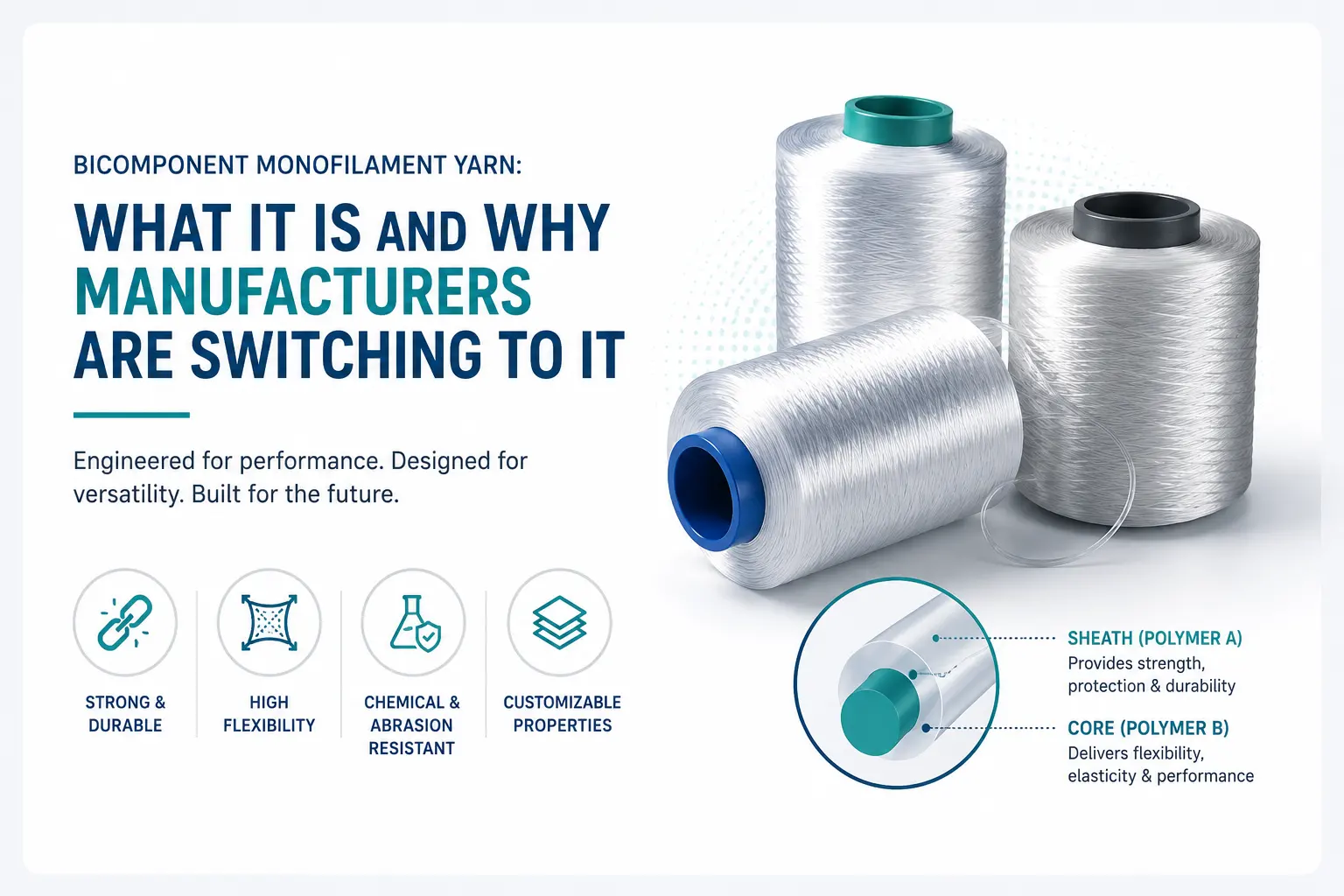
Monofilament yarn is a single, continuous strand of synthetic fiber, typically made from materials such as nylon, polyester, or polypropylene. Unlike multifilament yarns, which consist of multiple fine strands twisted together, monofilament yarn is a single, thicker filament.
This unique structure gives it distinct advantages in terms of strength, rigidity, and resistance to wear and tear. Understanding these fundamentals is the first step in selecting the right monofilament yarn for your product to ensure maximum efficiency.
Key Properties of Monofilament Yarn
Understanding the core properties of monofilament yarn helps explain why it significantly improves product durability and performance.
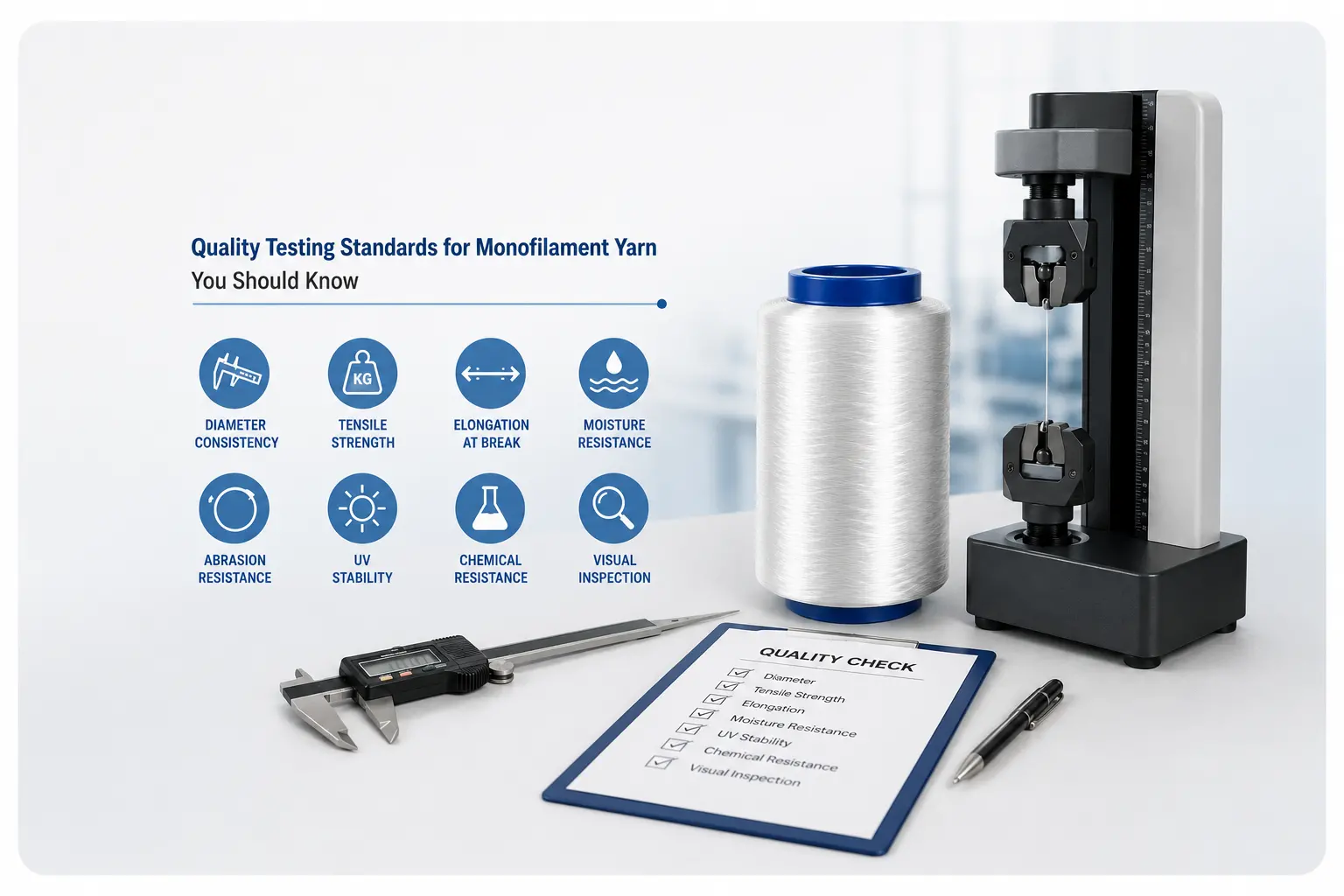
1. High Tensile Strength
Monofilament yarn is known for its exceptional tensile strength. Since it consists of a single continuous filament, it is less prone to fraying or breaking under stress.
This makes it ideal for applications that require long-term reliability and structural integrity.
2. Excellent Abrasion Resistance
Products exposed to friction or repeated use benefit greatly from monofilament yarn. Its smooth and robust surface resists abrasion, ensuring longer product life.
3. Low Moisture Absorption
Monofilament yarn typically absorbs very little moisture, making it suitable for environments where humidity or water exposure is a concern. This property helps maintain product stability and prevents degradation over time.
4. Uniform Diameter and Consistency
Because it is manufactured as a single strand, monofilament yarn offers uniform thickness throughout. This ensures consistent performance, especially in precision applications like filtration and industrial meshes.
5. Chemical and UV Resistance
Many monofilament yarns are resistant to chemicals and ultraviolet (UV) radiation, making them suitable for outdoor and industrial use.
How Monofilament Yarn improves Product Durability
Durability is a key factor in product design, especially in industries where materials are subjected to continuous stress, harsh conditions, or frequent usage.
Here’s how monofilament yarn contributes to improved durability:
1. Reduced Wear and Tear
Thanks to its abrasion-resistant properties, monofilament yarn minimizes surface damage over time. Products made with this yarn retain their structural integrity even after prolonged use.
2. Resistance to Environmental Factors
Whether it’s exposure to sunlight, chemicals, or moisture, monofilament yarn holds up well under challenging conditions. This ensures longer product life and reduces maintenance or replacement costs.
3. Enhanced Structural Stability
Unlike multifilament yarns that may loosen or fray, monofilament yarn maintains its shape and structure. This stability is crucial in applications like industrial fabrics, nets, and filtration systems.
4. Long-Term Performance Reliability
Monofilament yarn ensures consistent performance over time, making it a reliable choice for critical applications where failure is not an option.
How Monofilament Yarn Improves Performance
Beyond durability, performance is another area where monofilament yarn excels. Its unique properties contribute to better efficiency and functionality across various applications.
1. Improved Filtration Efficiency
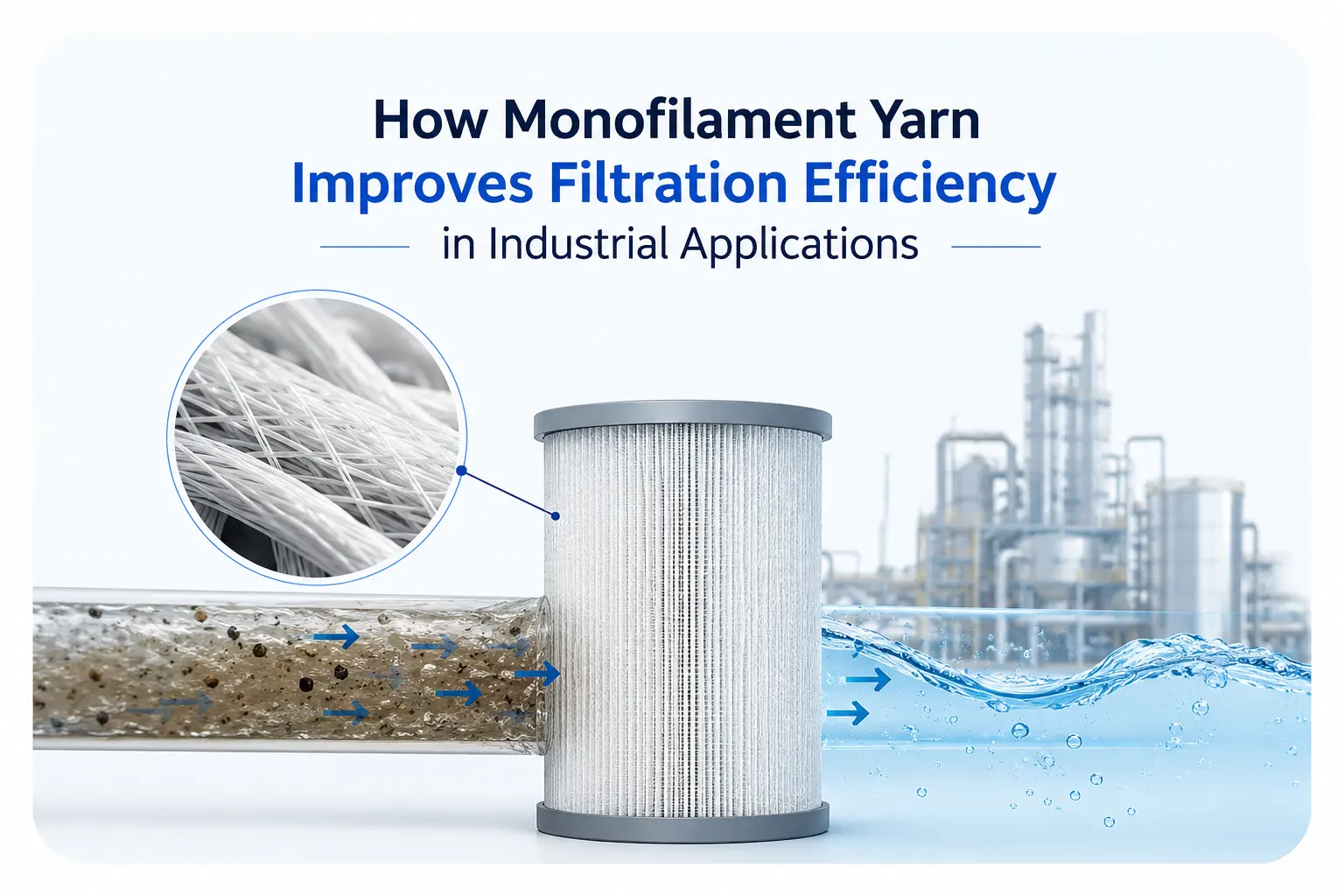
In filtration systems, uniform pore size and consistent structure are essential. Monofilament yarn provides precise control over mesh openings, leading to better filtration accuracy and efficiency.
2. Better Load Bearing Capacity
Due to its high tensile strength, monofilament yarn can withstand heavy loads without stretching or breaking. This makes it suitable for industrial and heavy-duty applications.
3. Smooth Surface for Reduced Friction
The smooth surface of monofilament yarn reduces friction, which is beneficial in applications like conveyor belts, fishing lines, and sewing threads.
4. Dimensional Stability
Monofilament yarn retains its shape even under stress, ensuring consistent performance in demanding conditions.
Applications of Monofilament Yarn Across Industries
The versatility of monofilament yarn makes it suitable for a wide range of industries. Here are some common applications:
1. Industrial Fabrics
Monofilament yarn is widely used in conveyor belts, filter fabrics, and mesh screens due to its durability and strength.
2. Filtration Systems
From water filtration to air purification, monofilament yarn plays a crucial role in ensuring efficient and reliable filtration.
3. Agriculture and Fisheries
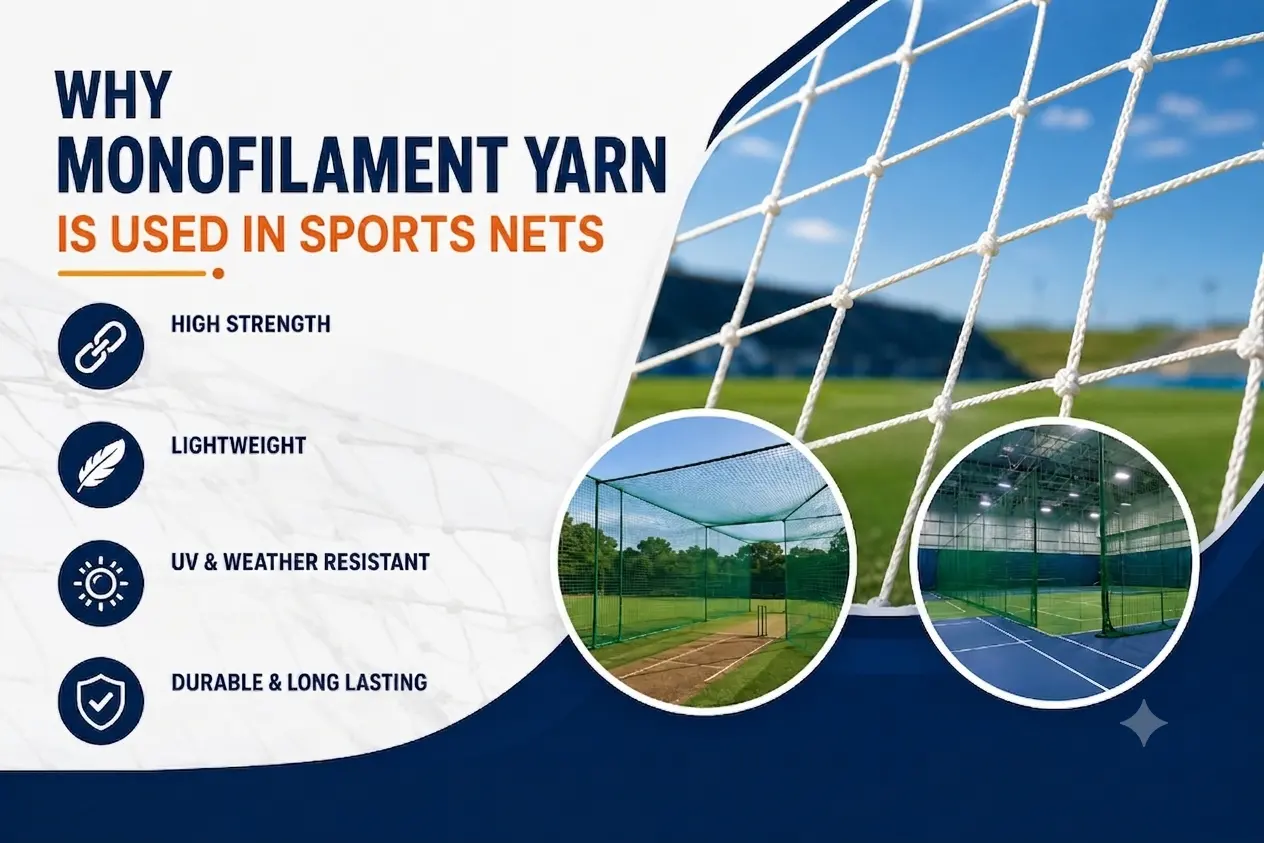
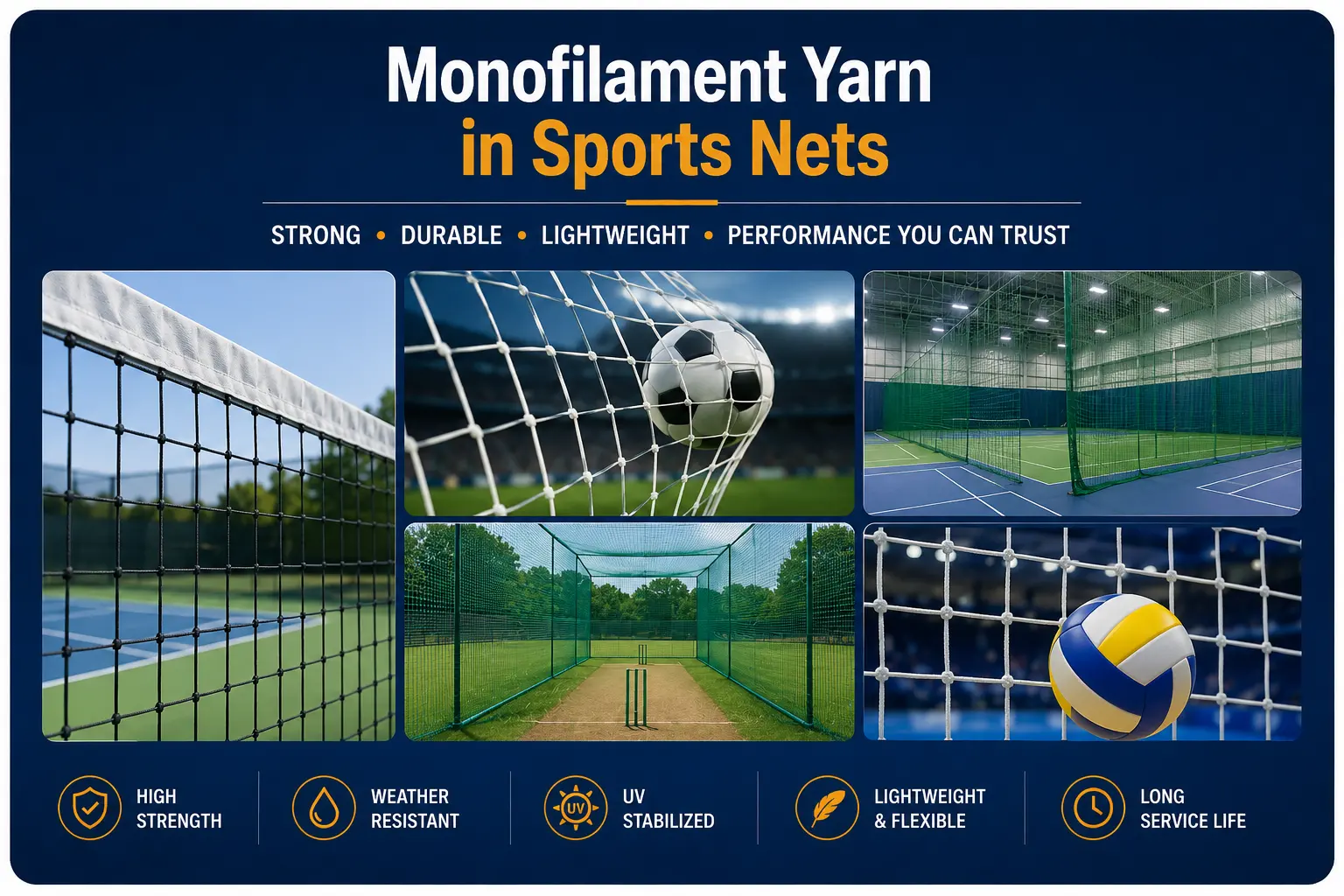
Used in nets, ropes, and protective coverings, monofilament yarn offers excellent resistance to environmental conditions.
4. Automotive and Engineering
In automotive components and engineering textiles, monofilament yarn provides strength and stability. Much of this success is due to the precision engineering in technical filaments which allows for tighter tolerances in mechanical parts.
5. Medical and Healthcare
Its precision and consistency make it suitable for certain medical applications, including sutures and specialized fabrics.
Monofilament Yarn vs Multifilament Yarn
To better understand its advantages, let’s compare monofilament yarn with multifilament yarn:
| Feature | Monofilament Yarn | Multifilament Yarn |
| Structure | Single strand | Multiple strands |
| Strength | High | Moderate |
| Abrasion Resistance | Excellent | Lower |
| Flexibility | Less flexible | More flexible |
| Durability | High | Moderate |
While multifilament yarn may offer softness and flexibility, monofilament yarn stands out in terms of durability, strength, and long-term performance.
Why Manufacturers Prefer Monofilament Yarn
Manufacturers across industries are increasingly choosing monofilament yarn for several reasons:
- Cost-effectiveness in the long run due to reduced maintenance and replacement
- Consistency in quality and performance
- Adaptability across multiple applications
- Improved product lifespan and customer satisfaction
For businesses focused on delivering high-quality, durable products, monofilament yarn is a strategic choice.
Tips for Choosing the Right Monofilament Yarn
Selecting the right type of monofilament yarn depends on your specific application. Here are a few tips:
- Material Selection: Choose between nylon, polyester, or polypropylene based on your requirements.
- Diameter and Thickness: Ensure the yarn meets your strength and flexibility needs.
- Environmental Resistance: Consider exposure to UV, chemicals, or moisture.
- Application Requirements: Match the yarn properties to the intended use.
Conclusion
Monofilament yarn has proven to be a game changer in modern manufacturing. Its unique properties such as high tensile strength, abrasion resistance, and environmental durability make it an ideal choice for applications that demand reliability and long-term performance.
Monofilament yarn improves product durability and also enhances product quality but also reduces operational costs and increases customer satisfaction.
As industries continue to evolve, the demand for high-performance materials like monofilament yarn will only grow. Investing in the right yarn today can make all the difference in delivering superior products tomorrow.
Ready to upgrade your production?
Contact Shanthi Industries today to explore our full range of monofilament solutions tailored to your specific manufacturing needs.
- Email: info@shanthiindustries.com
- Call: +91 99022 98755
- Website: shanthiindustries.com